

Choosing the best toys for pets
Choosing the right toys for pets not only brings them joy but also promotes their physical and mental health. Whether for dogs, cats or other small animals, suitable toys can provide entertainment, exercise and mental stimulation. This article will delve into how to select the best toys for your pets and help you make a wise choice.
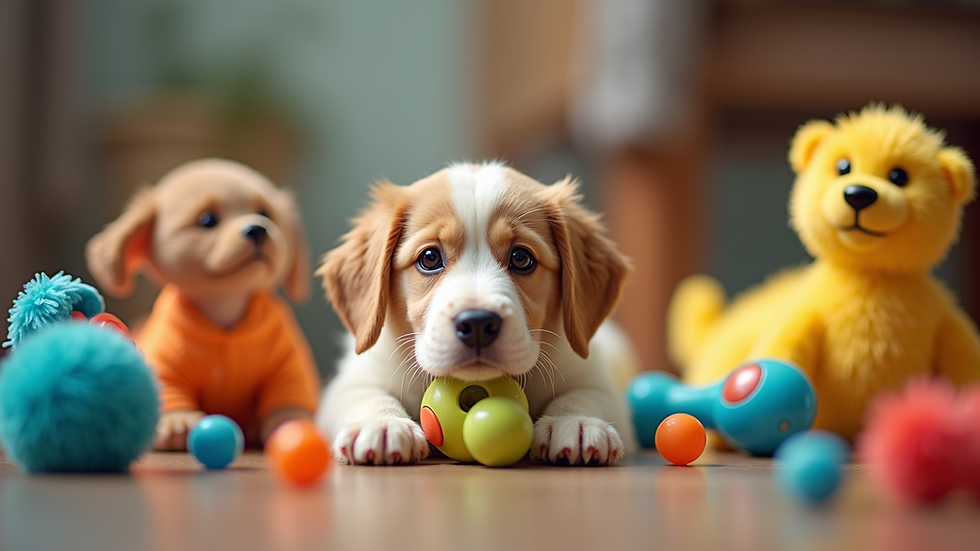
Understanding Your Pet
Before choosing toys, it is essential to understand your pet’s needs and preferences. Different animals have different play styles and requirements.
Needs of Dogs
Chewing: Many dogs enjoy chew toys, which help clean their teeth and relieve anxiety.
Chasing: Some dogs love chasing balls or frisbees; these toys help them stay physically active.
Mental stimulation: Puzzle toys challenge a dog’s mind and help keep them alert.
Needs of Cats
Hunting instinct: Cats are natural hunters. Toys such as small mice or feather wands activate their hunting drive.
Climbing: Cats enjoy climbing and exploring. Climbing structures or interactive toys increase their activity levels.
Interaction: Toys that involve play with their owner, such as laser pointers or cat wands, strengthen the bond between cat and owner.
Types of Pet Toys
Understanding different toy categories and their functions is important when making a selection.
Chew Toys
Chew toys are ideal for dogs that love to chew. They are usually made of durable rubber or nylon, helping clean teeth and prevent boredom.
Interactive Toys
Interactive toys are designed for play between pet and owner. Examples include frisbees and balls, which are great for outdoor exercise and fun.
Puzzle Toys
Puzzle toys help pets develop problem-solving skills. Most require the pet to complete a small task to receive a reward, such as food or treats.
Soft Toys
Soft toys are perfect for pets that enjoy cuddling. They are often stuffed and suitable for small dogs and cats.
Safety Considerations
Safety is one of the most important factors when choosing toys. Make sure toys have no small parts that could be swallowed and no sharp edges.
Material Selection
Non-toxic materials: Choose toys made from safe, non-toxic materials to protect your pet during play.
Durability: Select sturdy toys, especially for heavy-chewing dogs, to prevent quick damage.
Regular Inspection
Check toys regularly for damage or wear. Replace any broken toys immediately.
Choosing Toys by Age
A pet’s age influences their toy needs and preferences.
Puppies and Kittens
Puppies and kittens are usually energetic and playful. Lightweight, easy-to-grab toys help develop their coordination.
Adult Dogs and Cats
Adult pets often need more mental stimulation. Choose highly interactive toys to keep them active and engaged.
Senior Pets
Senior pets may have reduced mobility. Soft toys or easy-to-grasp options ensure comfort during play.
Observing Your Pet’s Reaction
After buying a new toy, observe how your pet responds. Every pet has unique preferences, and you may need to try several types to find their favorite.
Response to Interactive Toys
If your pet shows strong interest in interactive toys, they likely enjoy this style. Consider buying similar options.
Durability of Chew Toys
For dogs that chew frequently, monitor toy durability. If toys break quickly, choose stronger, more heavy-duty materials.
Budget Considerations
Toy prices vary widely, so choosing options within your budget is practical. While higher-priced toys often offer better quality, many affordable and reliable choices are also available.
Price and Quality
Premium toys: Typically use higher-quality materials and last longer.
Affordable options: Many cost-effective toys provide good value for owners on a budget.
Conclusion
Selecting the best toys for your pet is an important responsibility. Understanding your pet’s needs, choosing appropriate toy types, ensuring safety, and observing reactions are all key steps. With these guidelines, you can create a happy, healthy play environment for your companion.
Remember, toys are more than just entertainment — they are a bridge that strengthens the bond between you and your pet. Choose the right toys and let your pet enjoy joyful playtime!


Comments